Czech cases,
made navigable.
Learn the Czech declensions you are most likely to meet first — using words and sentences from your own life.
Two noun patterns, six forms each. An estimated 52.4% of the noun forms in contemporary Czech.
Learn what matters most, first
Not every Czech noun form appears equally often. This roadmap ranks them by case, gender, and noun pattern—from the most useful to the least.
That creates clear milestones: small, manageable sets of forms that build towards real coverage of the language. Rather than trying to memorise everything at once, you focus your effort where it will have the greatest impact.
Less overload. More progress. A study plan that works around you.
Tools to make Czech your own
Every tool draws on the same bank of words and sentences — the ones from your own life — so what you build in one becomes the material for the next.
Build your own word bank
Search for the nouns you actually use and file each one under its gender and noun type. Your collection, your frequency.
Build your own sentence bank
Write sentences you will genuinely say — then have each one grammar-verified before it is saved.
Mám rád obchod na rohu.
I like the shop on the corner.
Piju hodně kávy.
I drink a lot of coffee.
Build unique dialogues
Grow a dialogue around one of your saved sentences — read it, hear it, and speak your part back.
Build unique monologues
Let a short story grow around your sentences in natural, spoken Czech — then listen to it spoken aloud.
„Včera jsem byl v obchodě a potkal jsem…"
Test yourself against your bank
Drill the words you saved across a selection of exercises — recognise, build, recall, and use them in context.

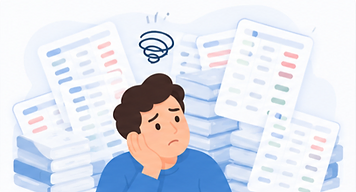
Information overload
Whole declension tables at once, before the previous lesson had settled.


Inadequate example words
Rose, castle, banana — words that never take root because you never use them.

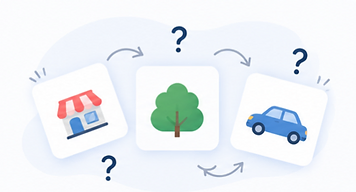
Disconnected exercises
Random sentences invite you to copy a pattern rather than absorb it.

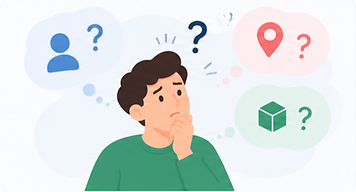
Fuzzy case function
Nobody explains what a case actually does, or the names are just numbers 1–7.


No sense of progress
Without a measure, study feels like floundering rather than moving.
A wall of endings.
Dozens of endings to memorise, often with words you may never need. It’s easy to feel overwhelmed, unsure where to start, and with no clear sense of progress.


Your words, not textbook models
Rose and castle become coffee and shop — nouns you already say out loud every day.

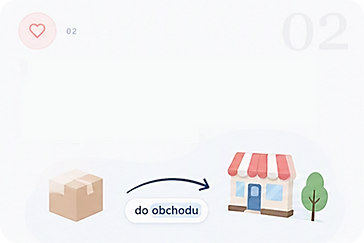
Meaning before endings
Each case is a relationship you can picture first. The ending follows the relationship.

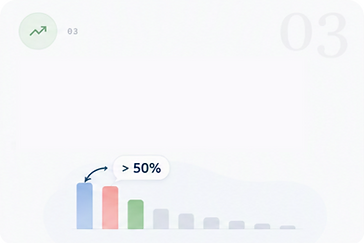
A route driven by frequency
Two noun patterns cover over half the forms you will meet. Learn those two first.

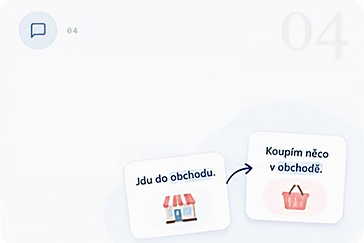
Sentences, not tables
Every pattern lands in a sentence you would actually use, then grows in depth.

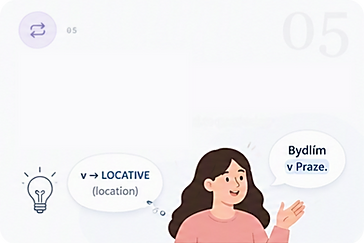
Recognition into use
From seeing why a form appeared to producing a new one of your own.

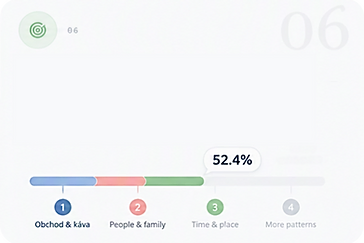
A measurable sense of progress
Every milestone reports how far you have come as an estimated share of the forms you will encounter.
Two ways to lighten either route: skip the nominative (it is the dictionary form you already have) and leave the dative until last (it is the rarest of the six). That leaves four forms per word.
- Step 1
Choose personal words
Words you say daily go into your word bank.
- Step 2
Identify the pattern
The genitive form tells you which of the 16 types it follows.
- Step 3
Learn one relationship
Meaning first, in a single illustrated scene.
- Step 4
See the ending change
In your own sentence, then make a new one and unlock the next milestone.